How It’s Done
Washed Process
Our washed coffees are fermented and washed to remove the mucilage, then carefully dried and rested, for a clean, bright and balanced cup. Here is every step, from the farm to your roaster.
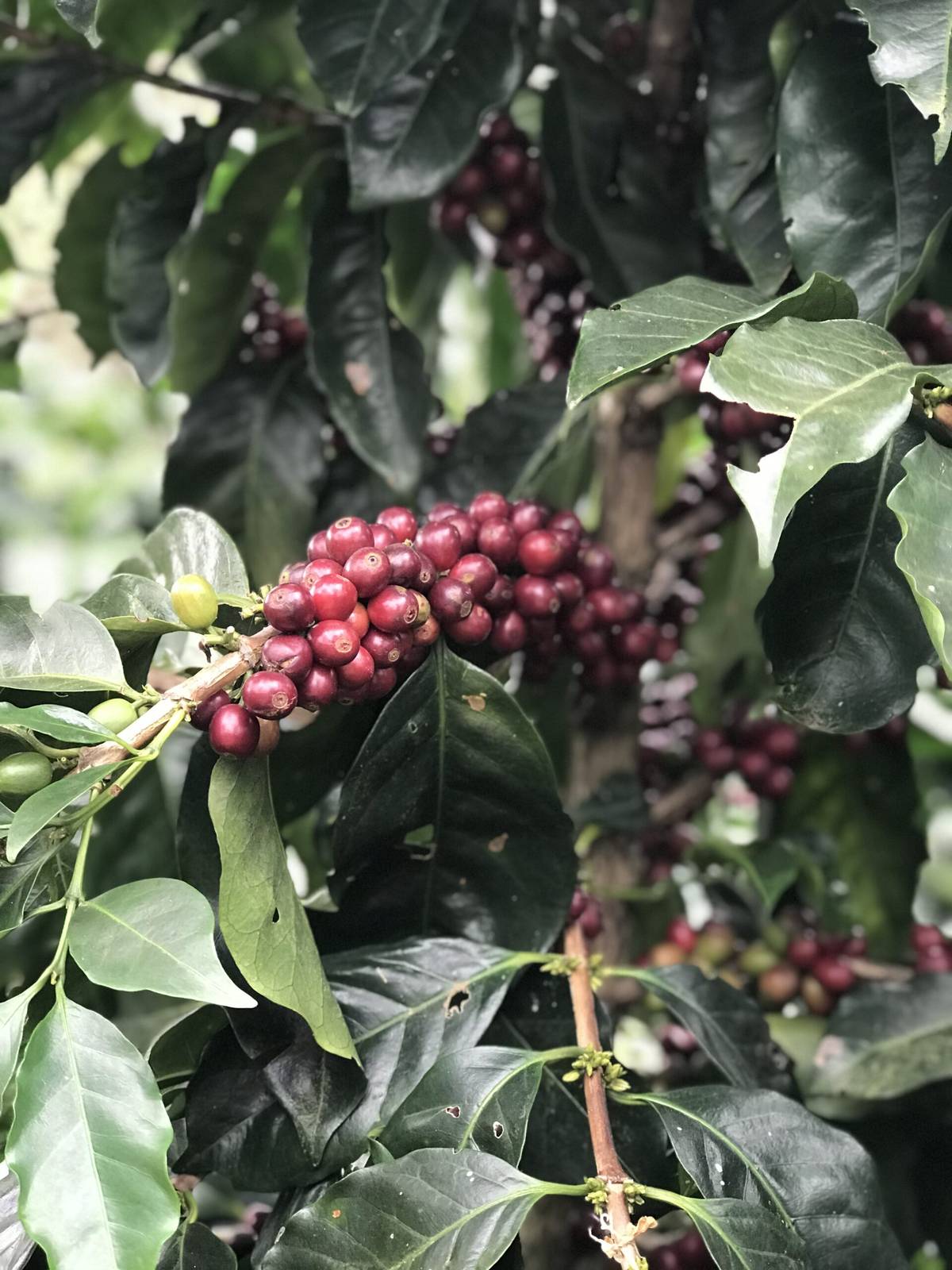
Shade-Grown at Altitude
Our Caturra and Catuaí grow under shade trees in Nicaragua’s highlands at 1,200–1,320 masl. The shade and the altitude let the cherries ripen slowly, which builds density and sweetness.
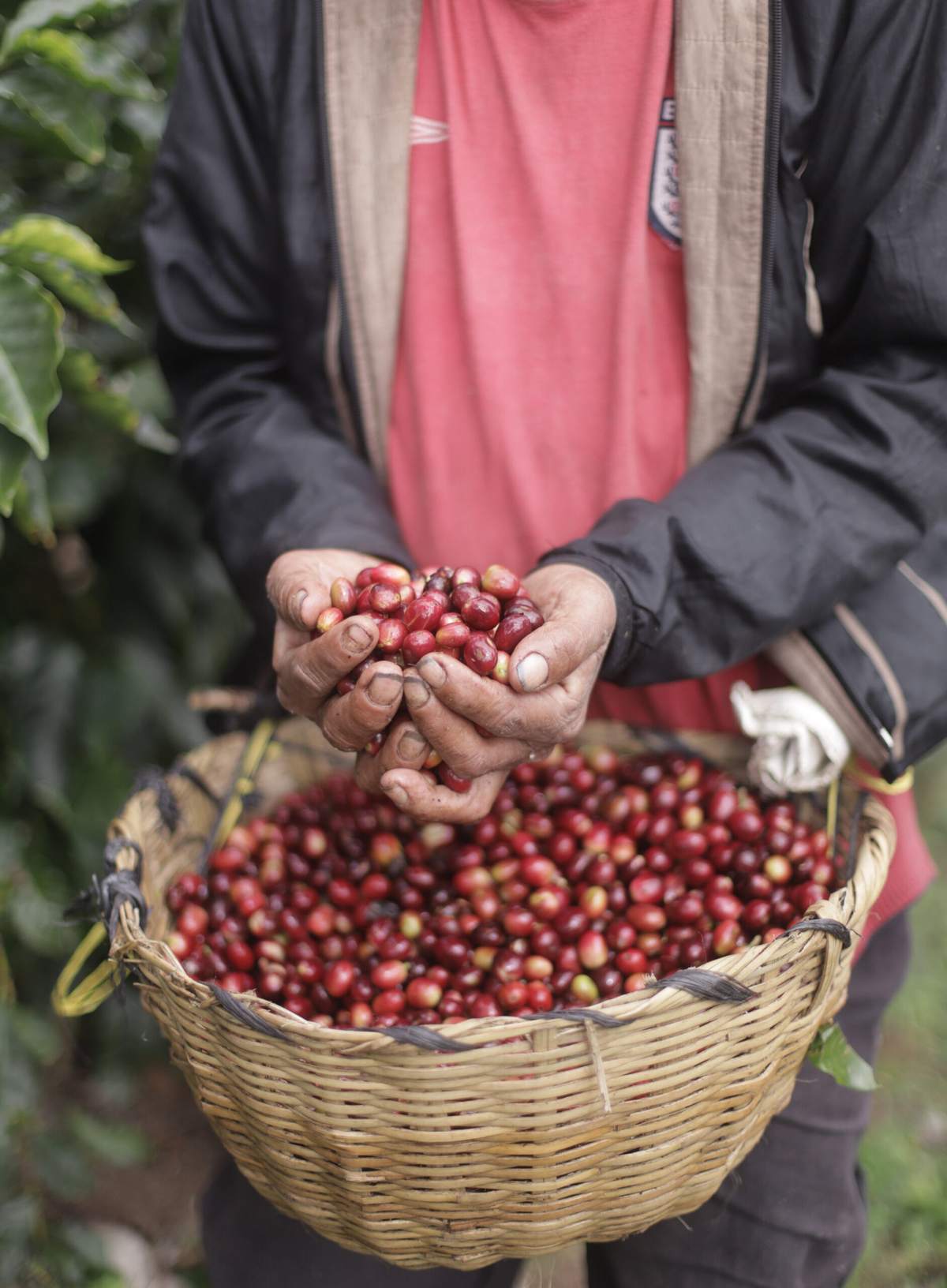
Selective Hand-Picking
Cherries are picked by hand at peak ripeness, so unripe and overripe fruit stays out of the lot.
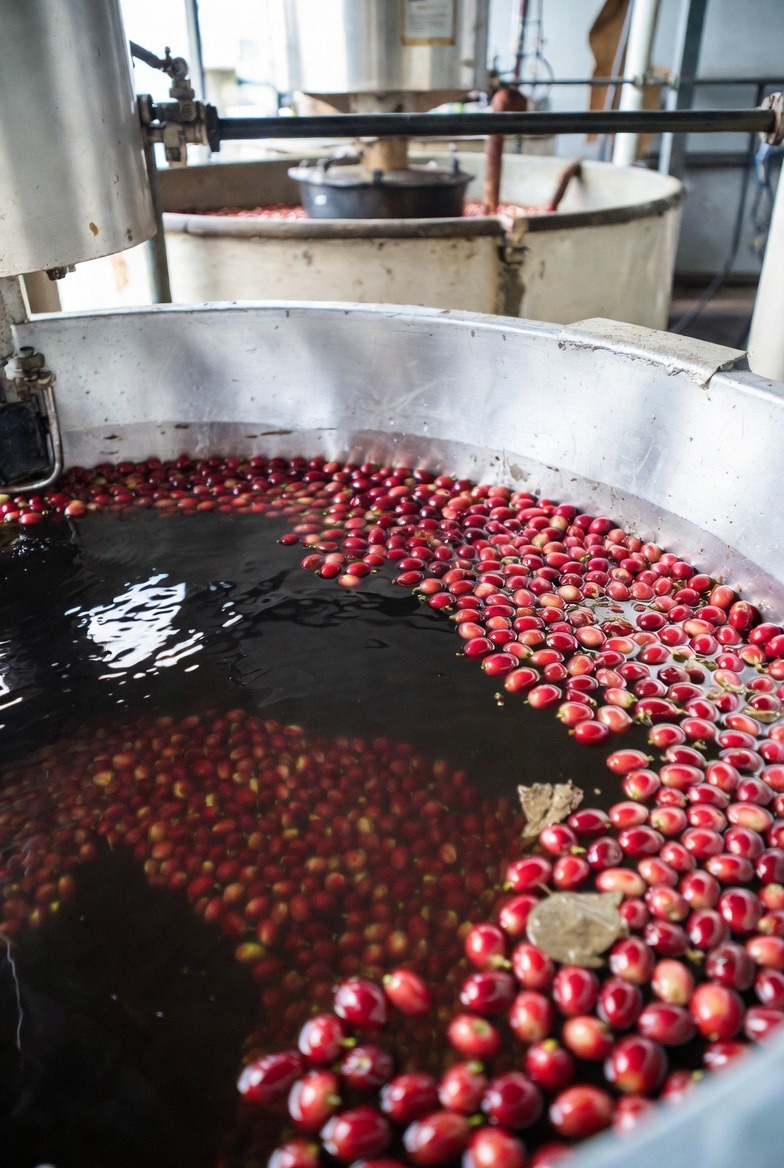
Cherry Sorting
At the wet mill, cherries are sorted in water. Floating, defective fruit and debris are removed before processing.
Pulping
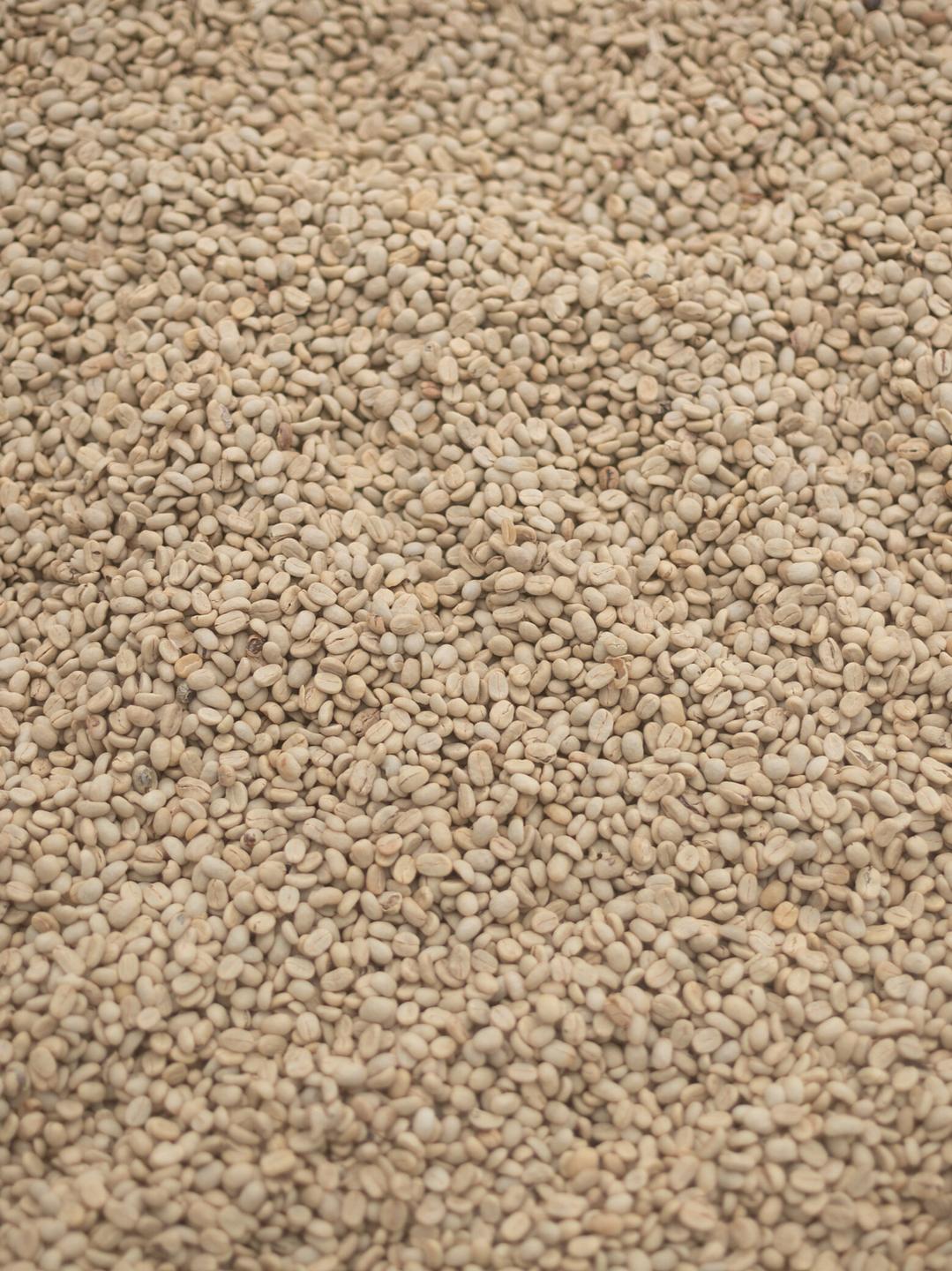
Pulpers remove the skin and fruit, leaving parchment coffee still coated in mucilage.
Fermentation & Washing
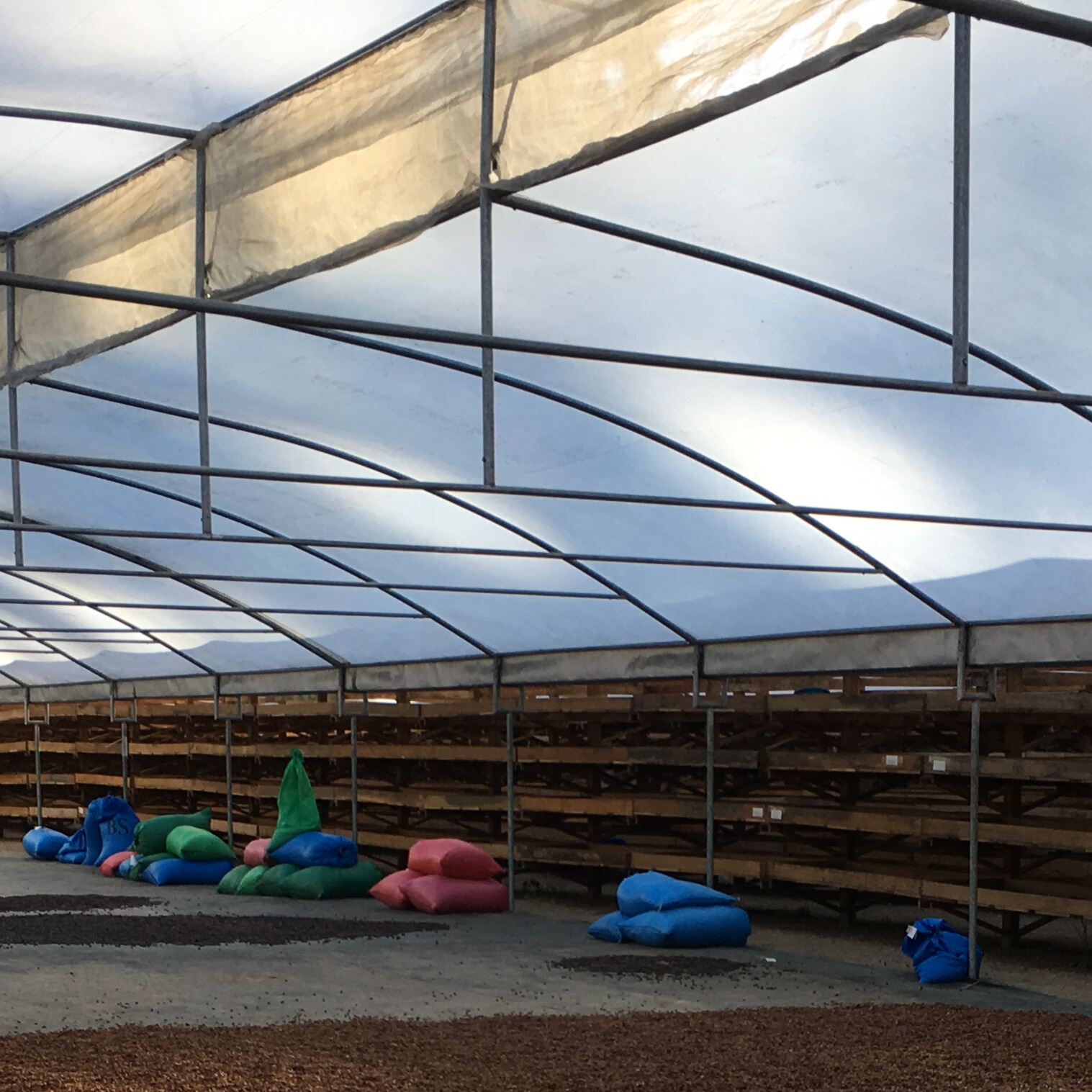
The parchment ferments until the mucilage breaks down and is then washed in clean water. This produces the bright, clean cup of a classic washed coffee.
Drying
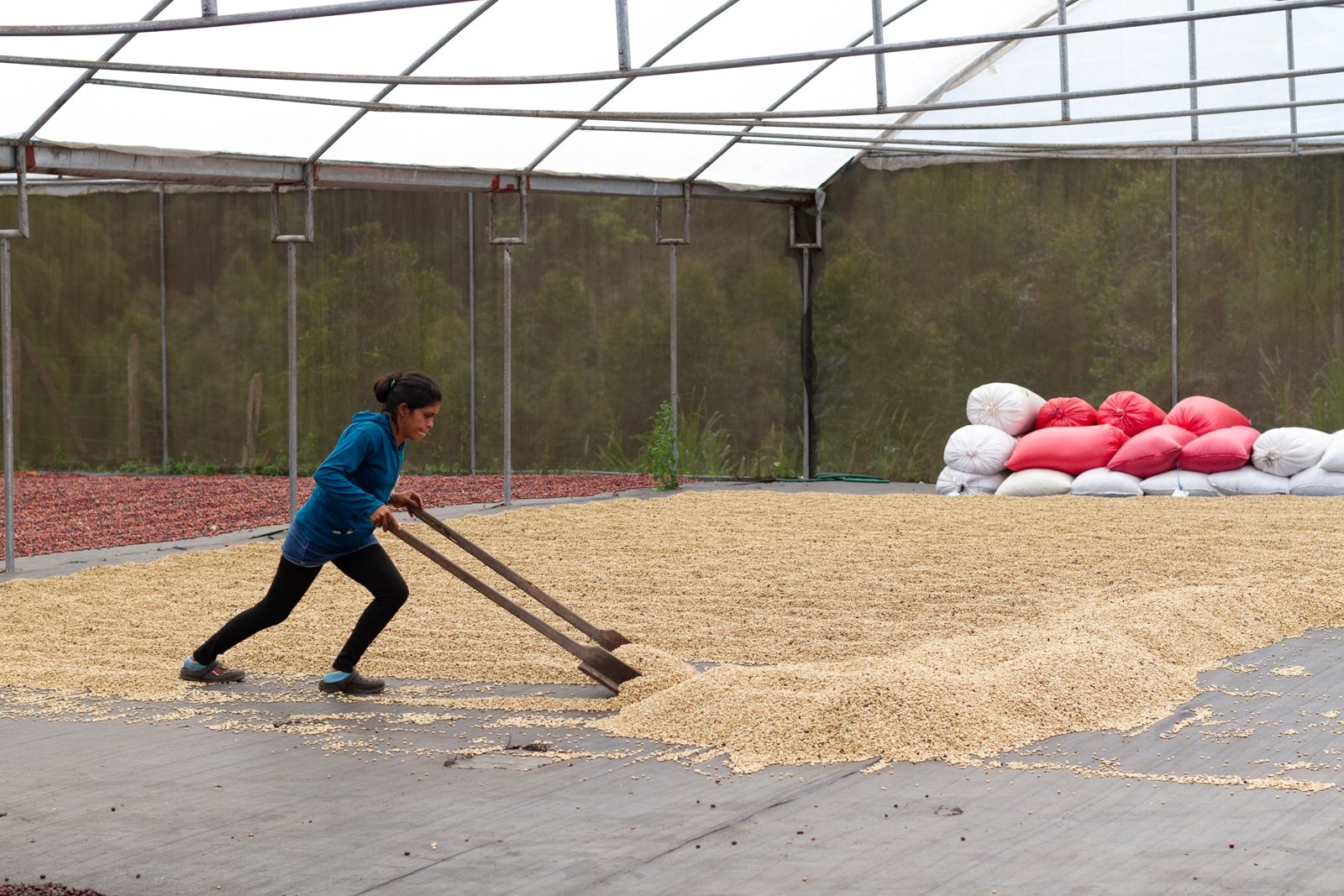
The washed parchment is dried to 10–12% moisture, and moisture is checked throughout drying.
Reposo (Resting in Parchment)
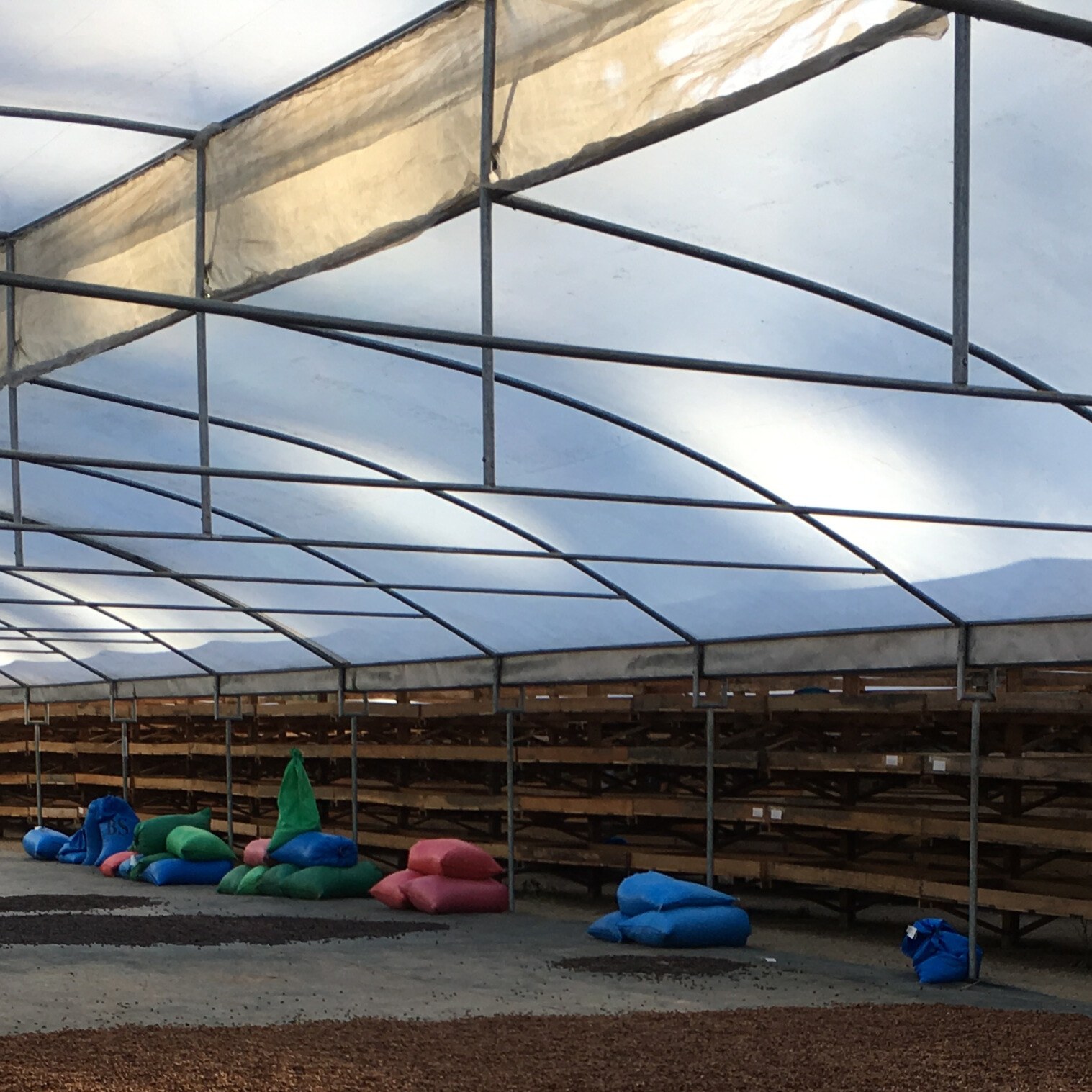
The dried coffee rests in parchment so moisture evens out and the beans stabilize before milling.
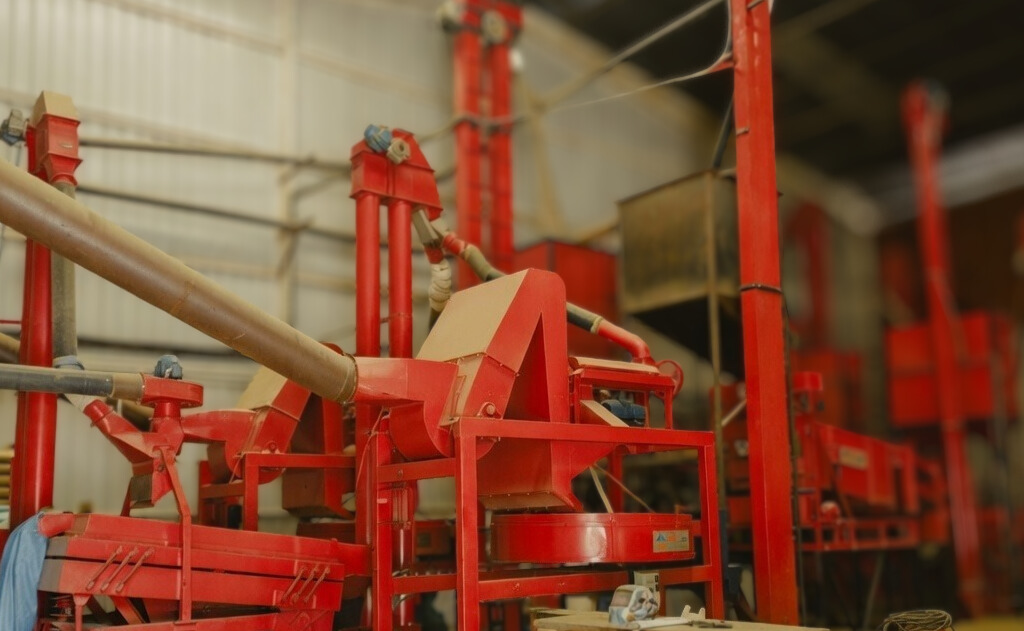
Dry Milling & Hulling
At the dry mill, the parchment is hulled and the coffee is cleaned of husk and foreign matter.
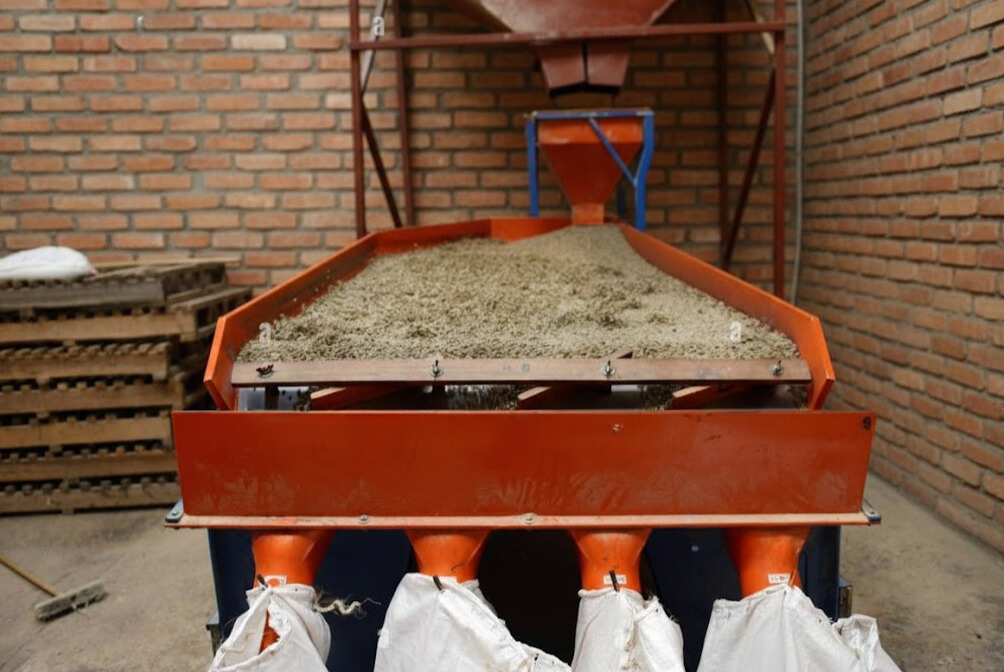
Screen-Size Grading
Green beans are graded by screen size, giving uniform lots that roast evenly and meet SHG-EP preparation.
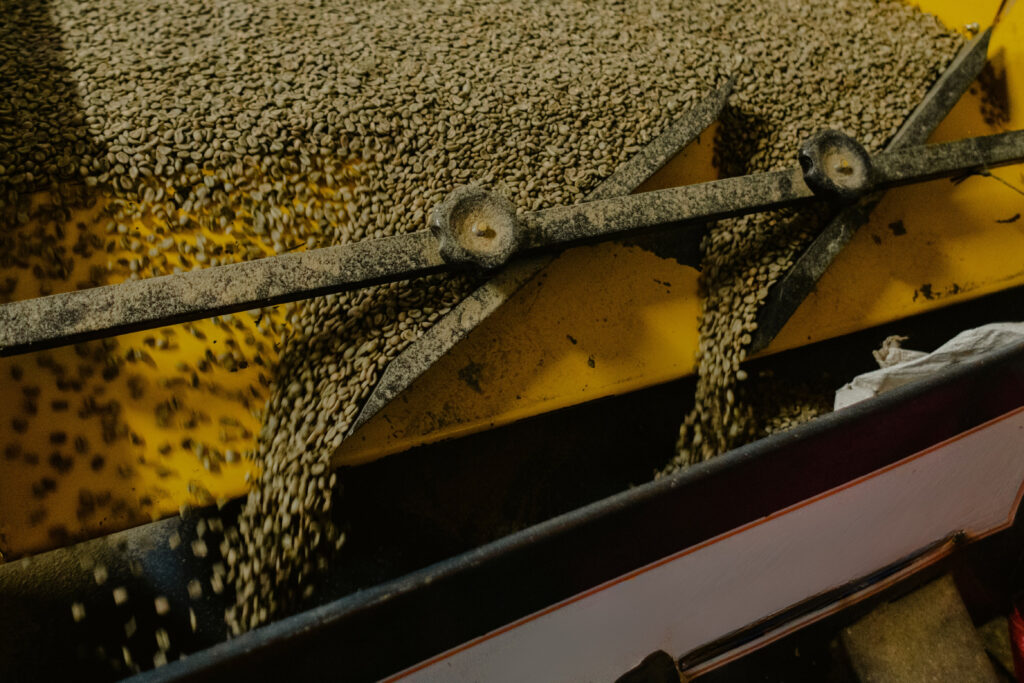
Density & Color Sorting
Density sorting removes light, underdeveloped beans, and electronic color sorters reject discolored and defective ones.
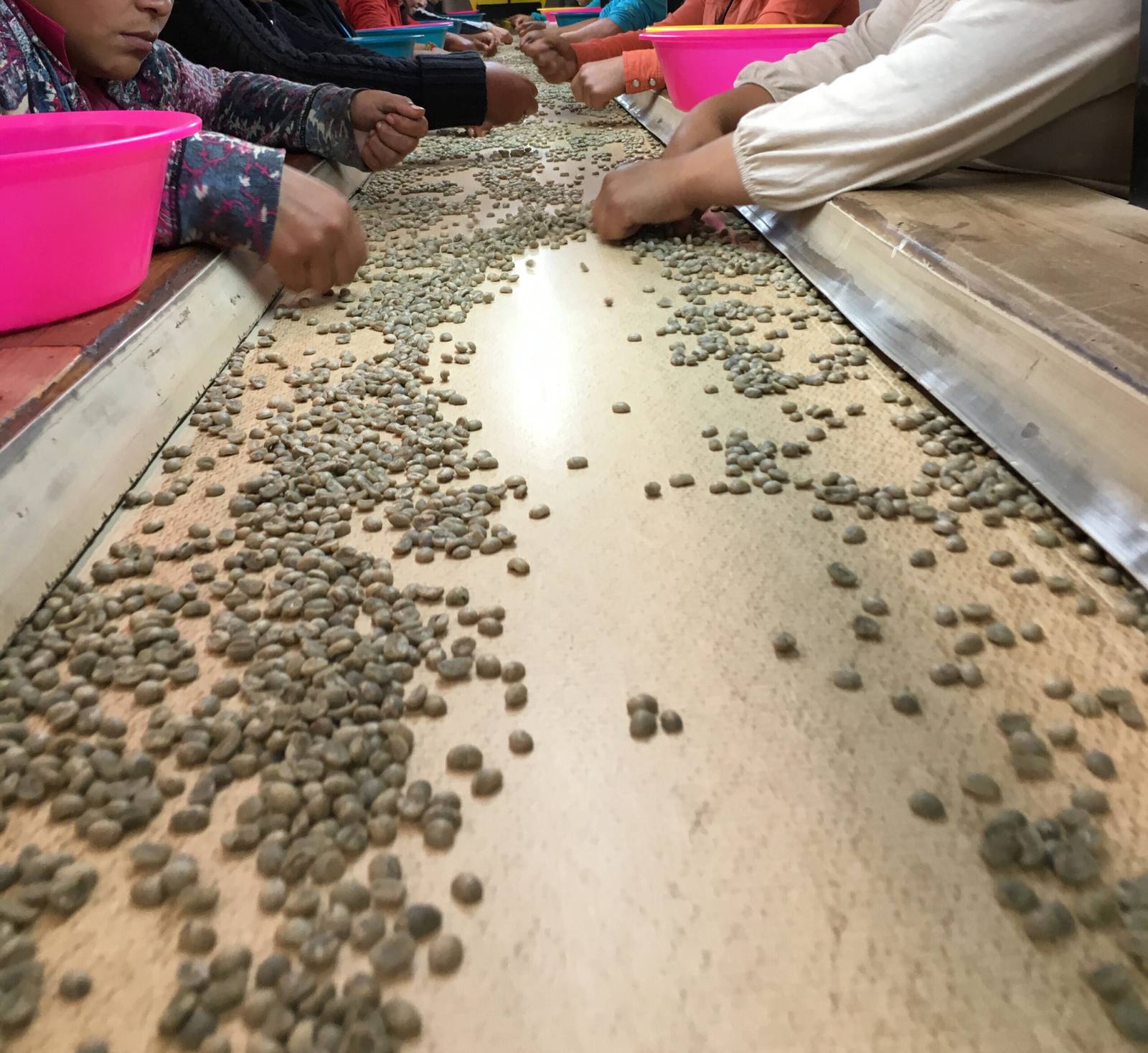
Hand Sorting
Trained sorters inspect the coffee by hand and remove any remaining defects, bringing each lot to SHG-EP (European Preparation) standards.
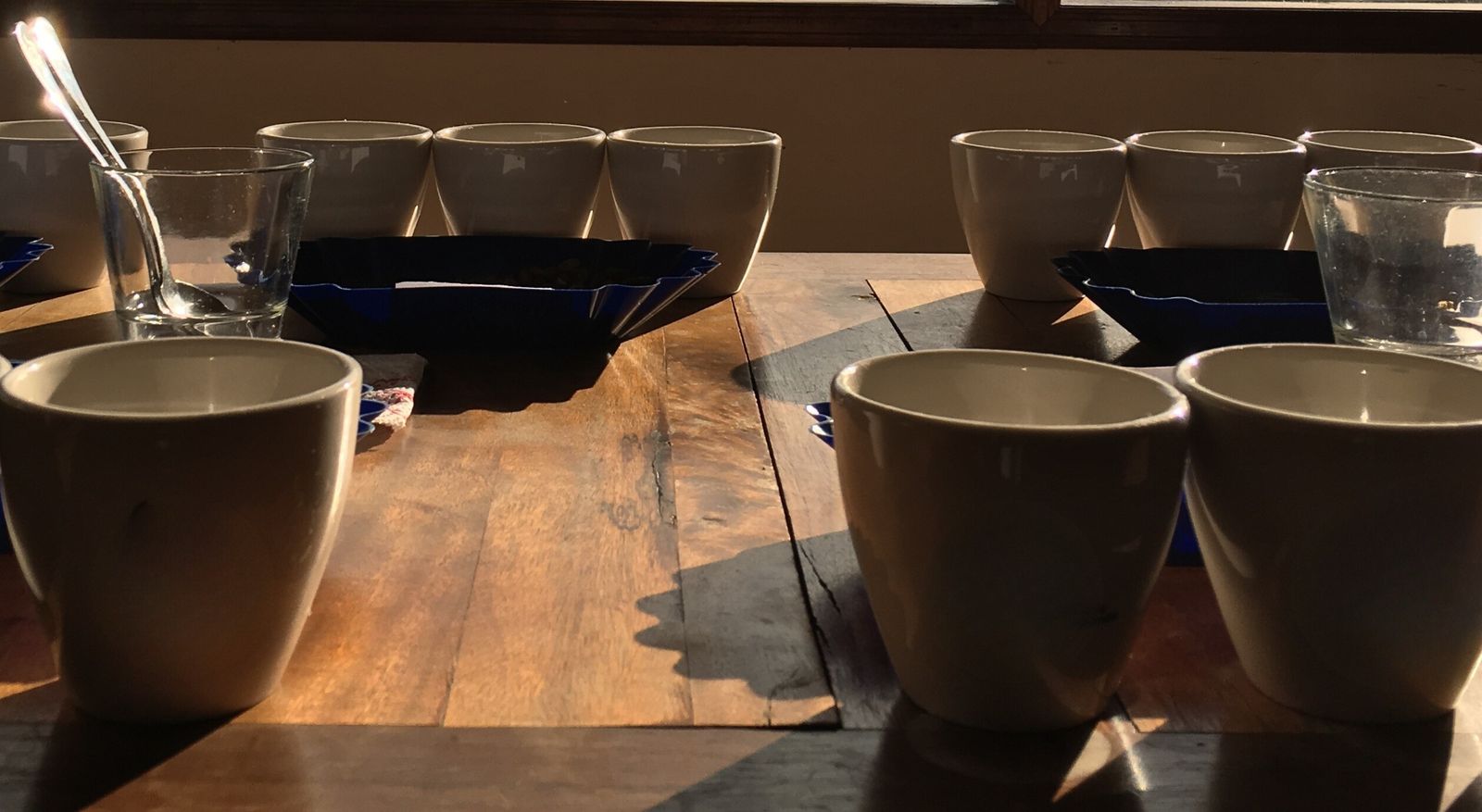
Cupping & Quality Control
Each lot is checked for moisture and defects and cupped at origin to confirm specialty, micro-lot quality. Pre-shipment samples are available for roaster approval.
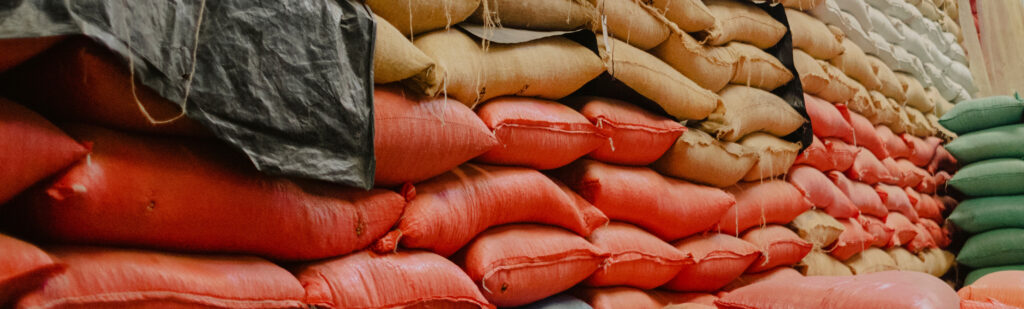
Packaging & Export
Approved coffee, sourced from partner producers committed to responsible, sustainable farming, is packed in jute bags with hermetic Ecotact liners, labeled for traceability, and shipped from Puerto Corinto, Nicaragua, with full export documentation.