
HOW IT’S DONE!
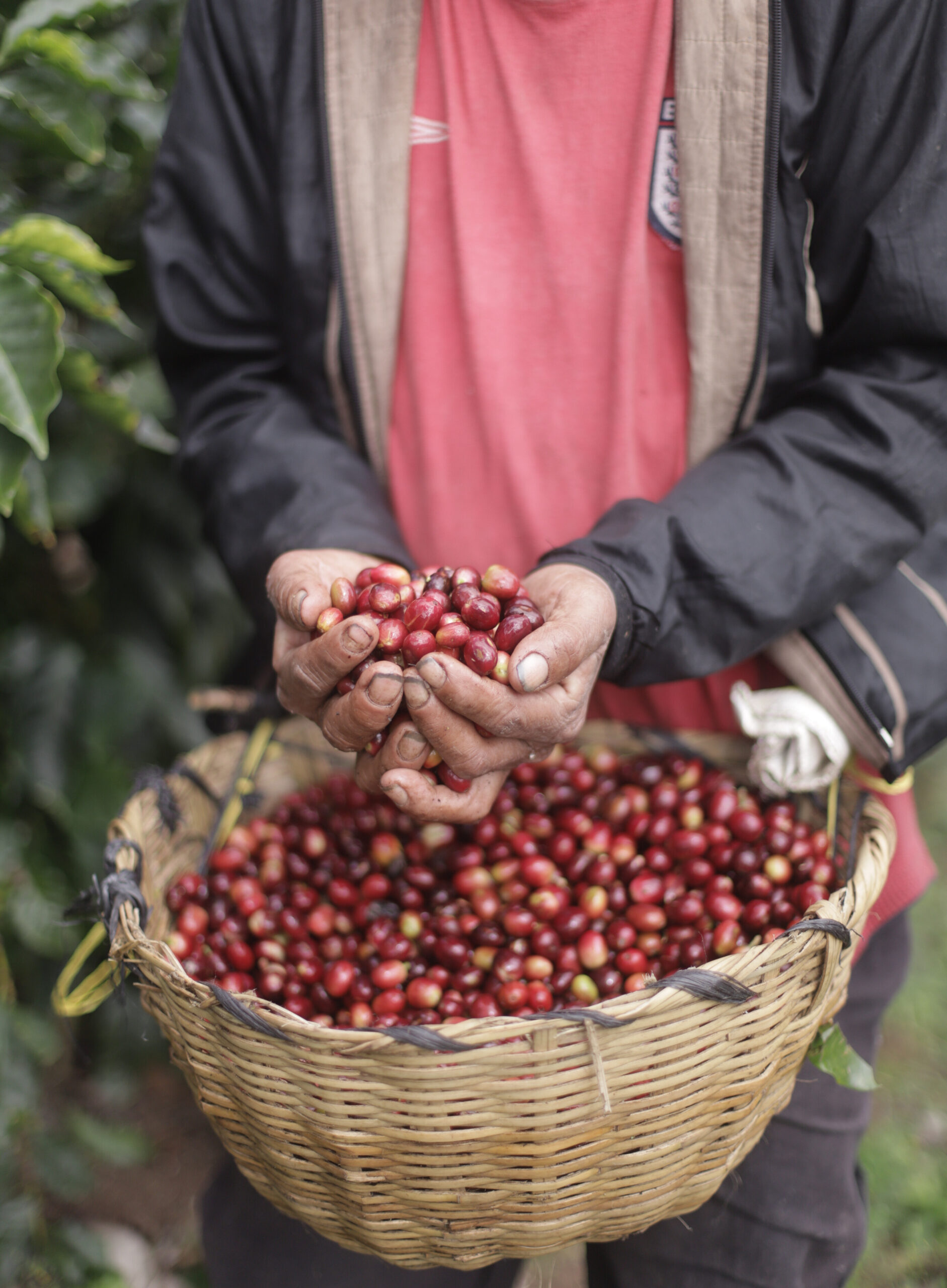
Selective Harvesting of Premium Cherries
In Nicaragua’s highlands, cherries are hand-picked only when fully ripe, displaying a deep, uniform dark-red color. This deliberate timing allows maximum sugar development, resulting in greater sweetness and complexity in the final cup. Because cherries ripen unevenly, multiple selective picking rounds are performed across each farm. Harvesting is restricted to early morning hours to prevent premature fermentation and preserve the clean, vibrant profile characteristic of Strictly High Grown (SHG) Nicaraguan coffee.
Flotation Density Sorting
Immediately after harvest, ripe cherries are transported to the wet mill for flotation in clean water tanks. The densest, highest-quality cherries developed slowly at high altitude sink to the bottom, while immature, overripe, damaged cherries, and debris float and are removed. This initial density separation is a reliable early indicator of potential cup quality and ensures only the best material advances through our washed process.
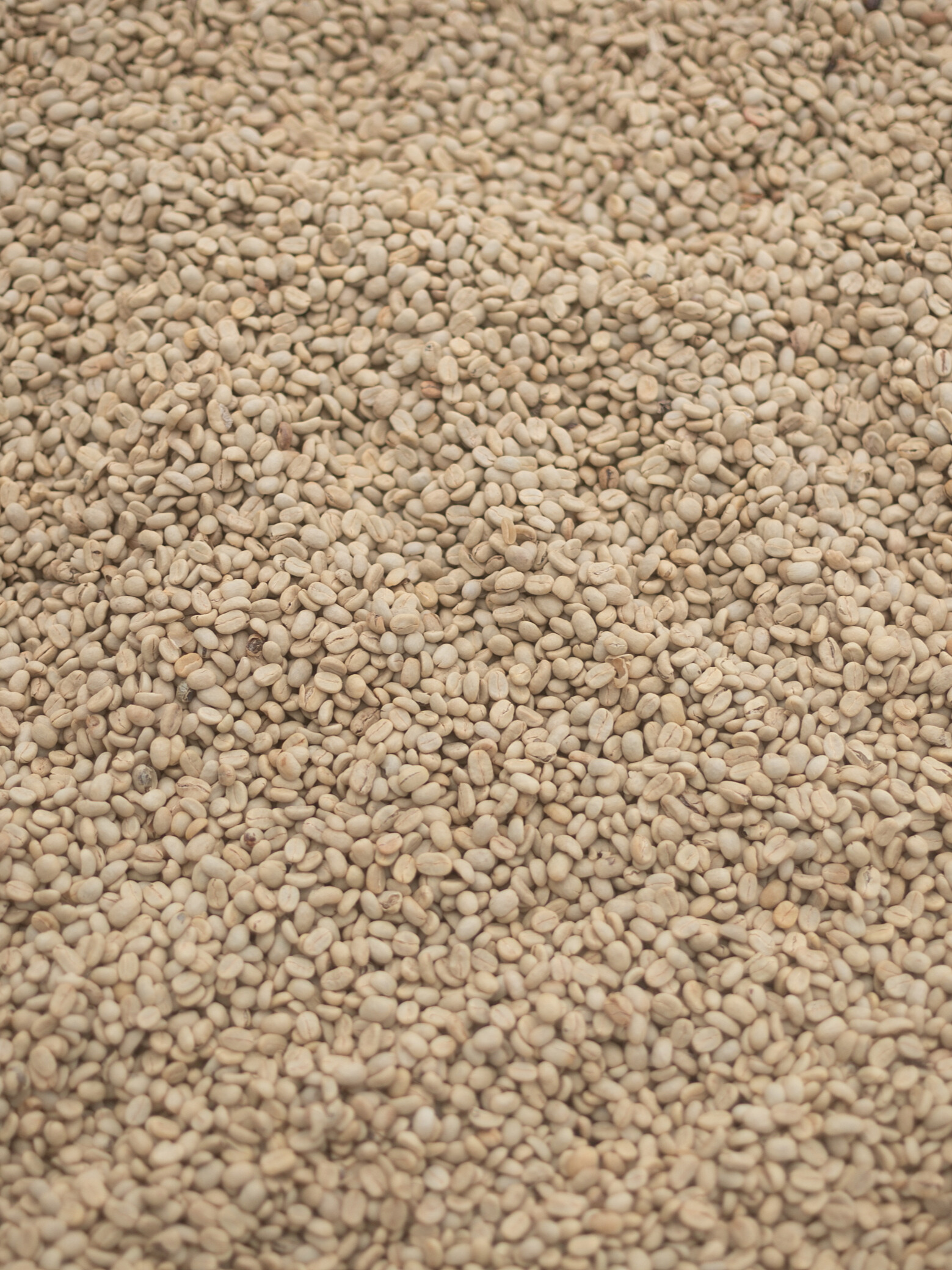
Precision Depulping
Fully ripe cherries are processed through advanced eco-efficient depulpers with vertical channels and integrated sieving systems. These machines gently remove the skin and most of the fruit pulp while automatically separating partially ripe cherries for alternative processing. Built-in mucilage removers and pulp separators produce exceptionally clean parchment with minimal mechanical stress and significantly reduced water consumption.
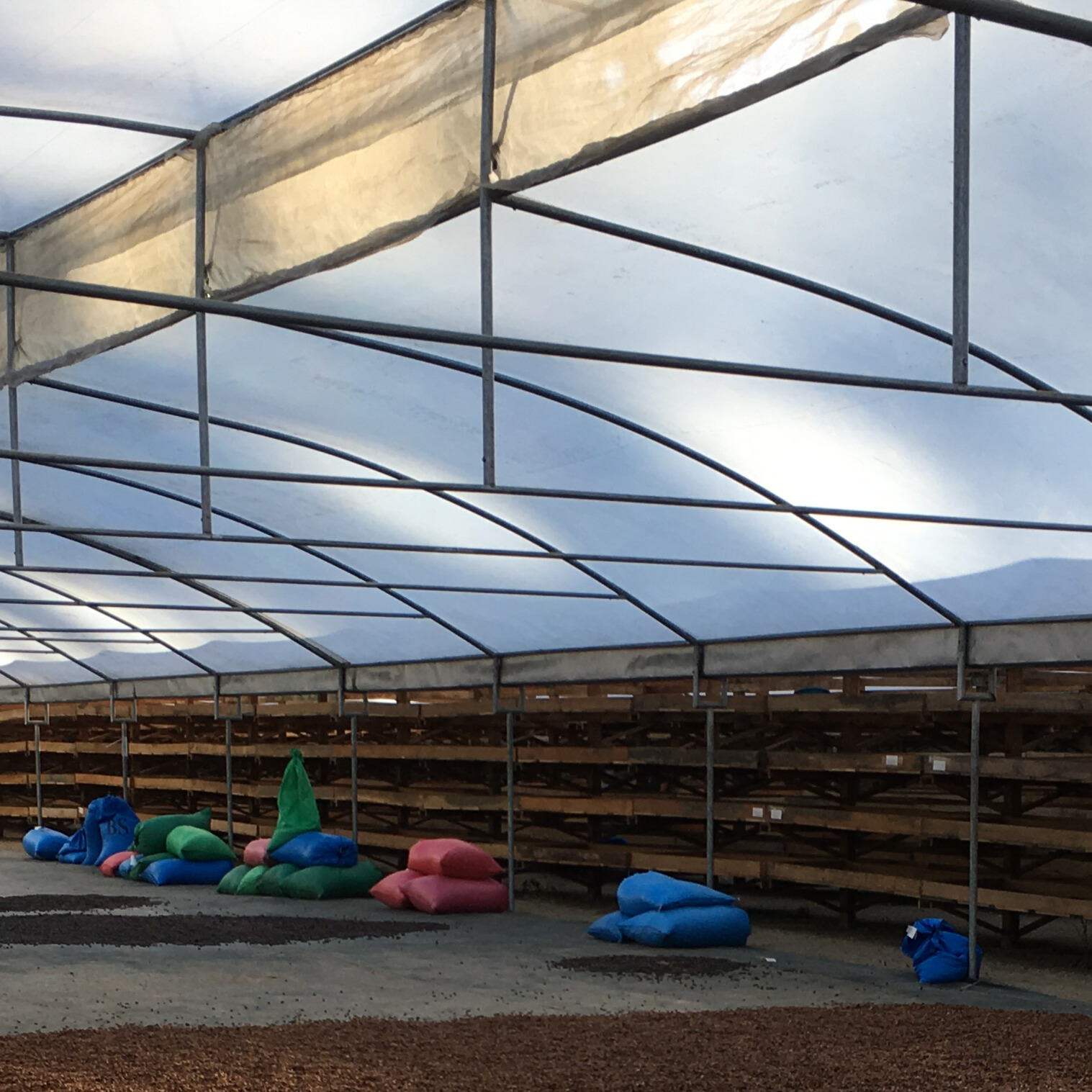
Fermentation and Drying
Fermentation breaks down mucilage via controlled metabolic reactions, monitoring pH, temperature, and sugar levels to develop desirable flavor compounds. After fermentation, beans are washed thoroughly. Drying follows on raised beds, patios, greenhouses, or mechanical dryers for 20-35 days until moisture reaches 10-12%. Introduce sensor-based monitoring for real-time adjustments to enhance consistency and energy efficiency.
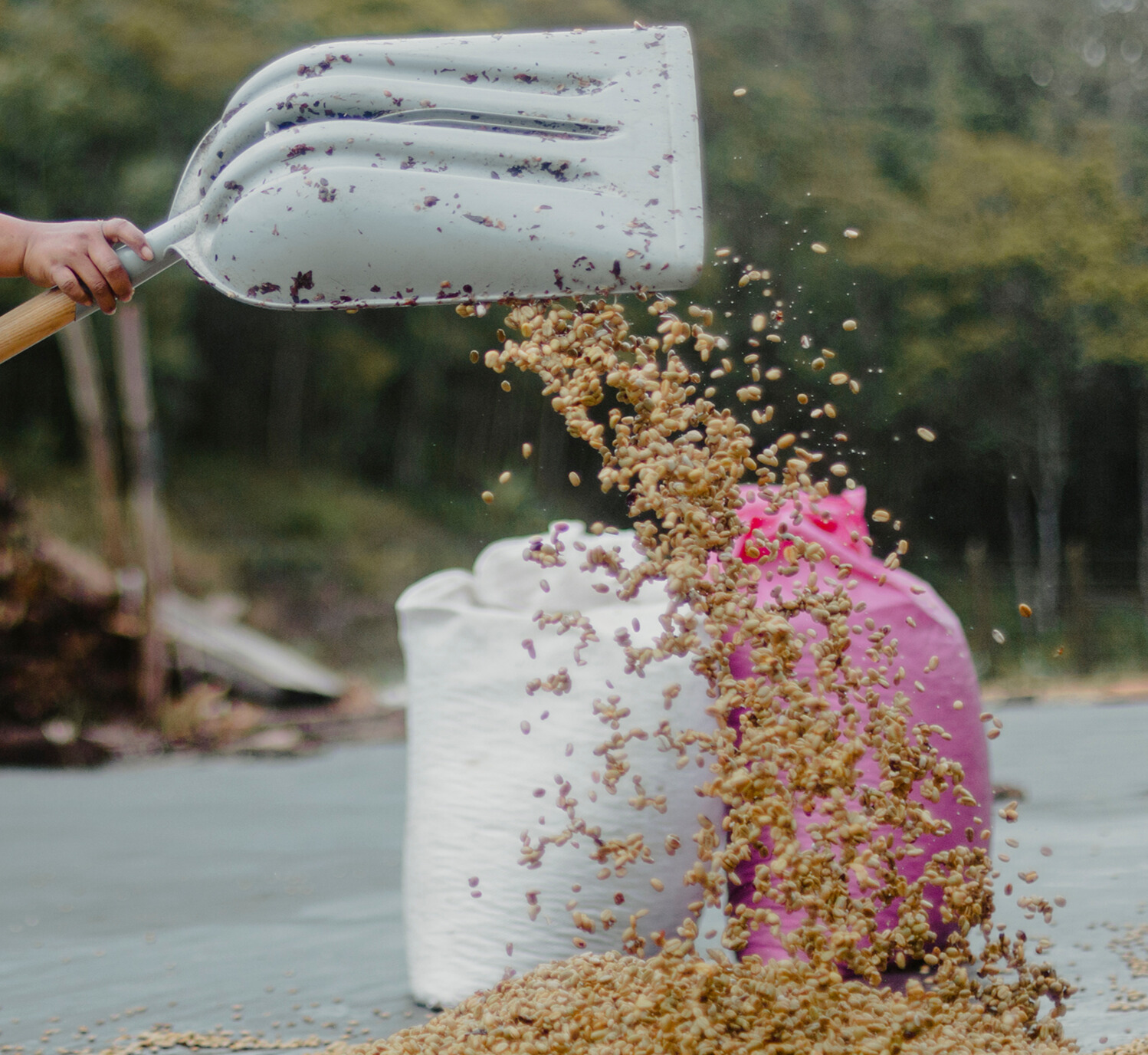
Stabilization Period
Dried beans, still in parchment, are rested in climate-controlled warehouses for 6-12 weeks to equilibrate moisture. Use breathable storage bags(Ecotact)and automated humidity sensors to maintain optimal conditions, preventing mold or over-drying and preserving bean integrity.
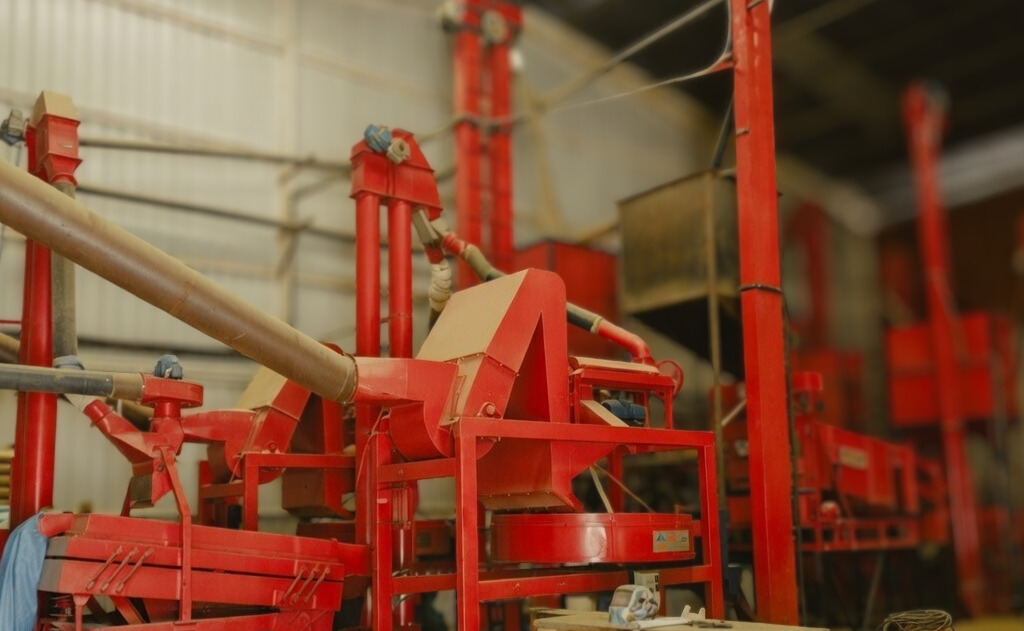
Hulling
Once stabilized, the parchment layer is removed using precision hulling equipment to avoid bean damage. Integrated destoning and aspiration systems eliminate any remaining foreign matter, yielding clean, undamaged green beans ready for grading and export preparation.
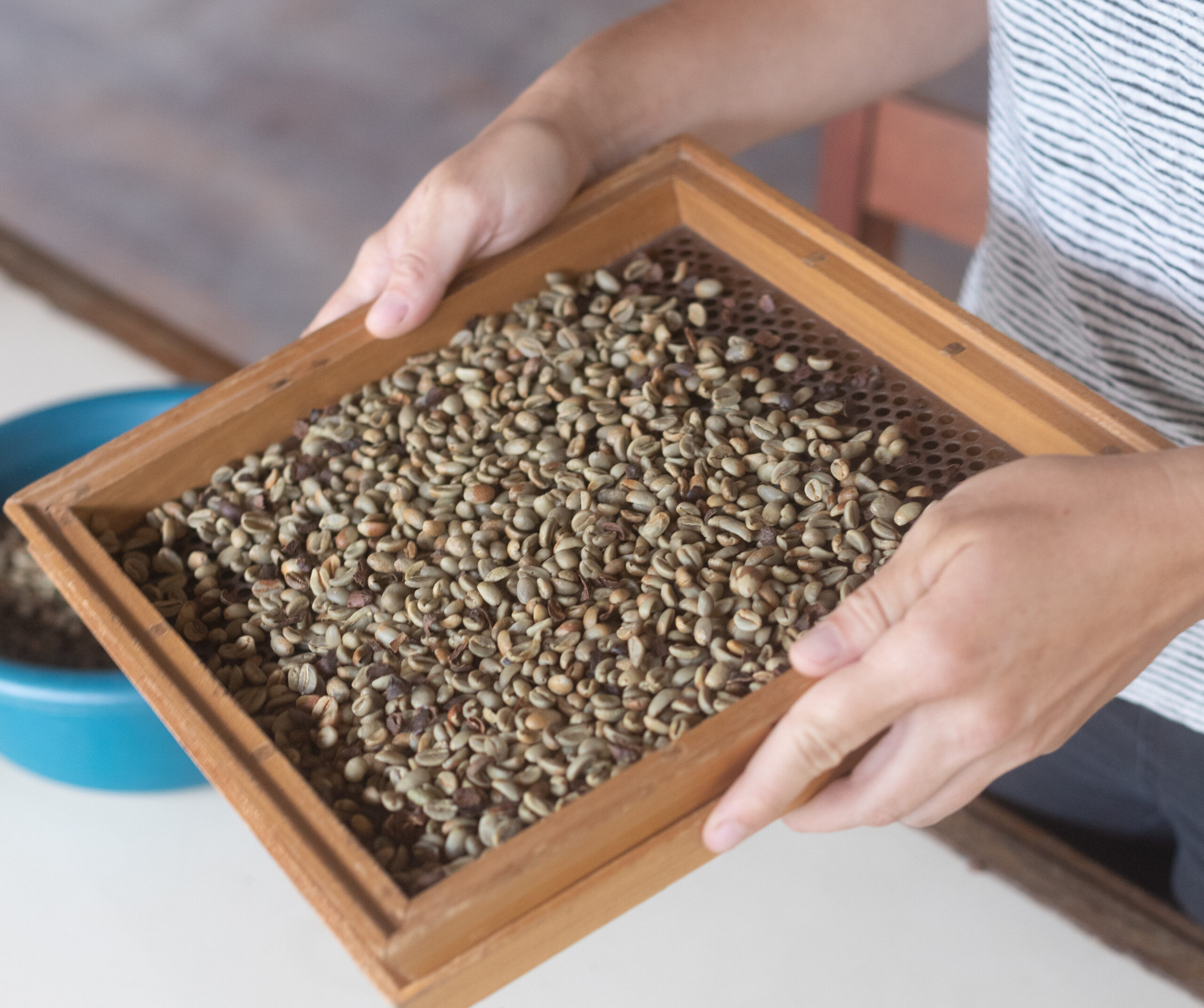
Classification
Green beans are passed through calibrated screens to separate them into consistent size grades; the beans are classified according to their dimensions. Uniform sizing ensures even roasting behavior and is a strong indicator of density, particularly valuable in high-altitude Nicaraguan SHG coffees where larger, denser beans consistently deliver superior cup balance and clarity.
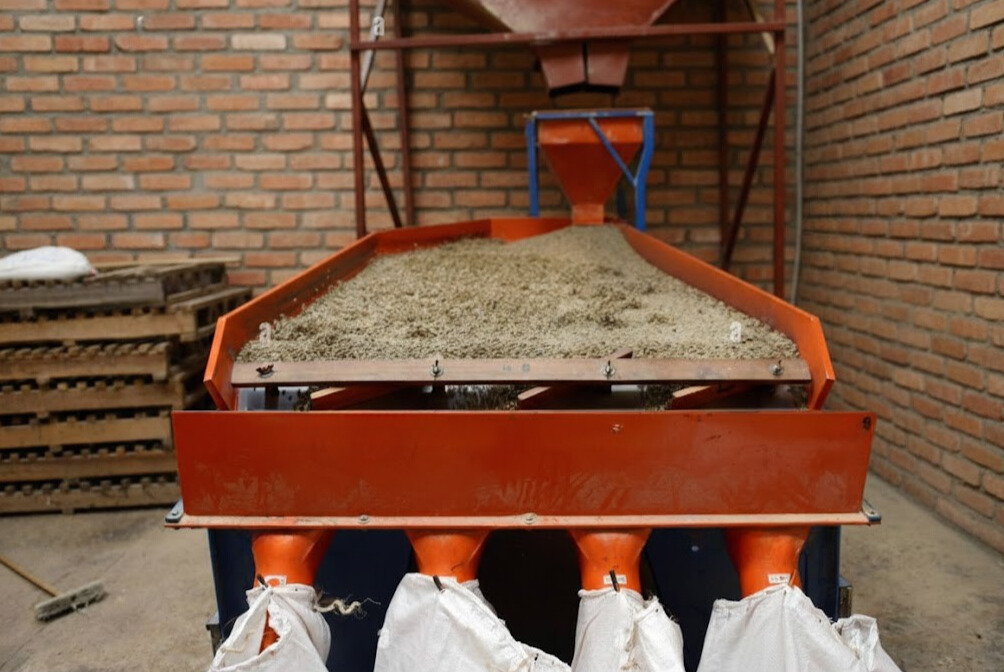
Bean Size Classification
After initial sorting, the coffee passes through our precision screen classifier, where beans are divided into up to four distinct size grades based on the specific profile of each lot. Consistent bean size is a reliable indicator of density—larger, more uniform beans from Nicaragua’s highland regions tend to be denser, which promotes even heat absorption during roasting and delivers a cleaner, more balanced cup.
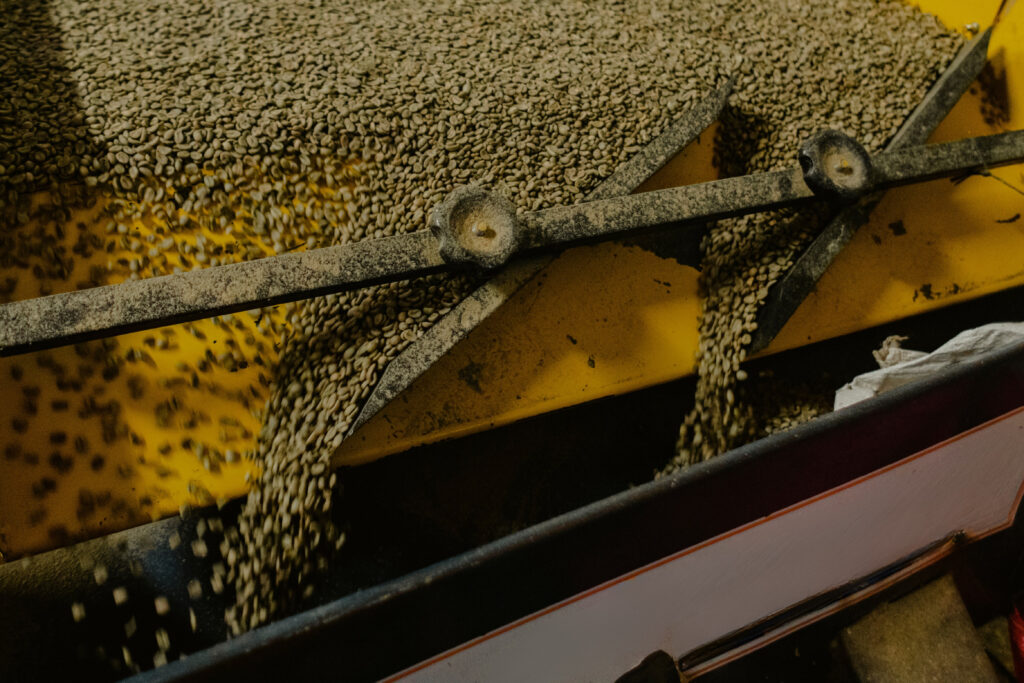
Density Separation
The sized beans then move to our gravity (densimetric) tables, which separate beans of the same screen size by density. This step is crucial for achieving the exceptional quality we demand: lighter, less dense beans often those with minor hidden defects or slight color variations are removed here. By eliminating these imperfections early, we ensure the downstream electronic color sorter operates with maximum precision, resulting in a remarkably clean and uniform lot.
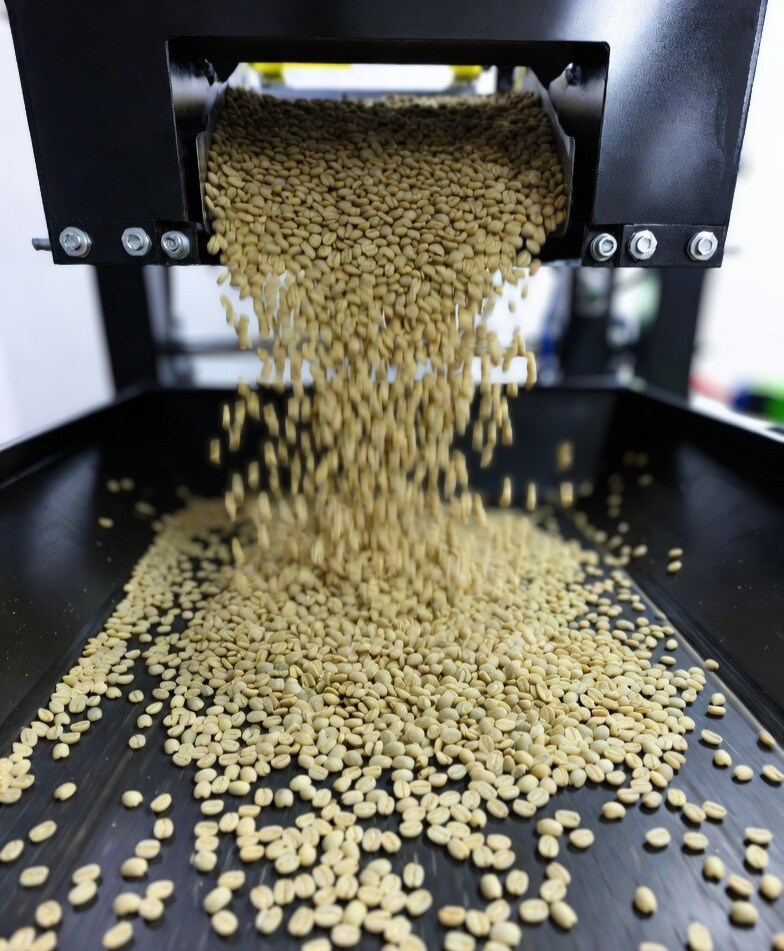
Optical Color Sorting
Advanced electronic sorters use high-speed cameras and precise wavelength analysis to detect and eject any remaining defective beans—immature, insect-damaged, broken, black, or off-color. This technology achieves sorting precision unattainable by manual methods alone and is critical to delivering lots with zero primary defects.
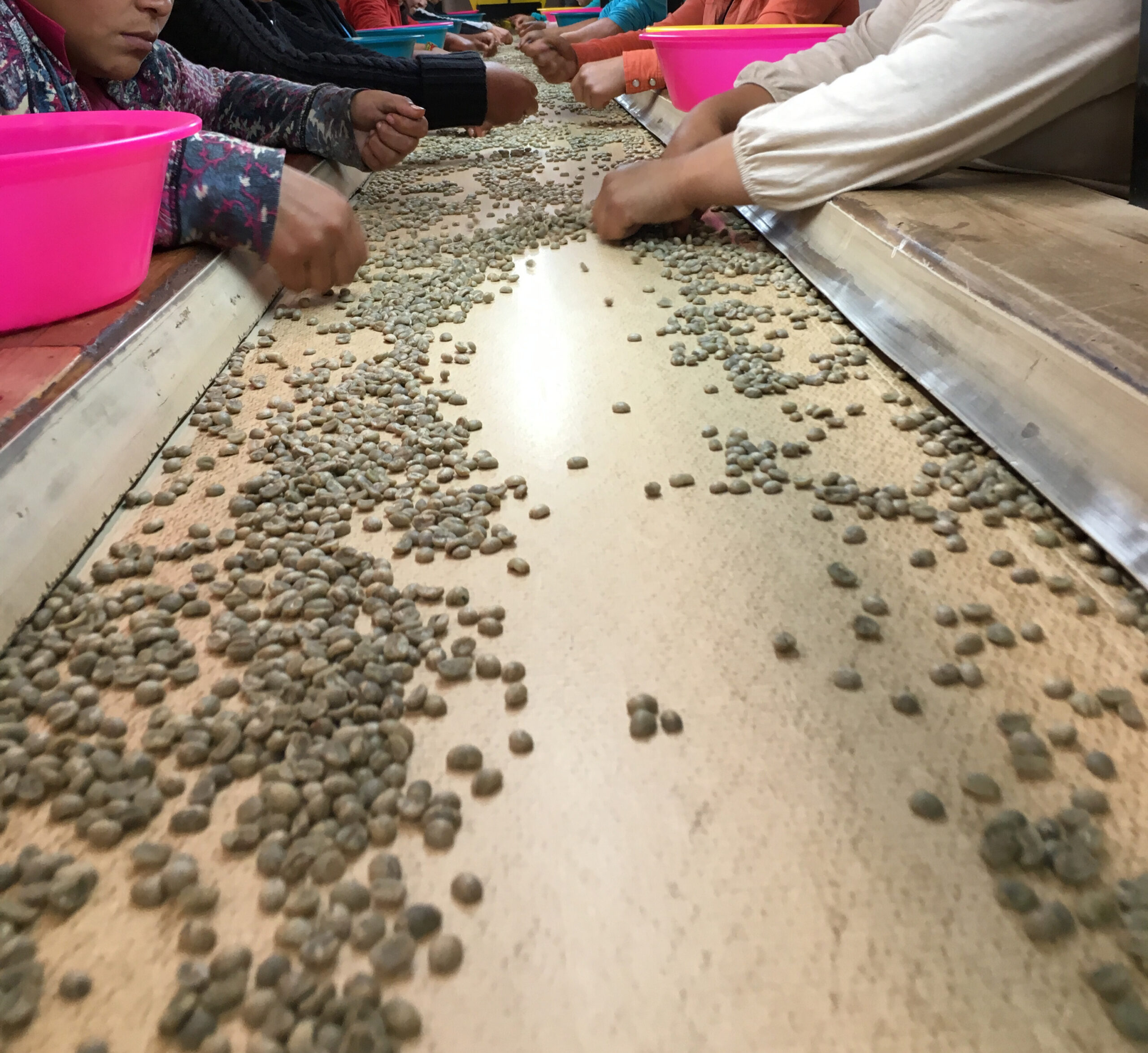
Final Manual Sorting
Trained teams perform meticulous hand sorting as the ultimate quality checkpoint, removing any imperfections that escaped mechanical processes. This labor-intensive step guarantees absolute perfection while providing meaningful employment.

Professional Cupping and Lot Profiling
Every lot undergoes rigorous physical evaluation and multiple cupping sessions in dedicated lab. Repeated comparative tasting refines our understanding of each coffee’s unique attributes, ensuring the final product aligns perfectly with client preferences and consistently reflects the exceptional quality of Nicaraguan highland SHG washed coffee.
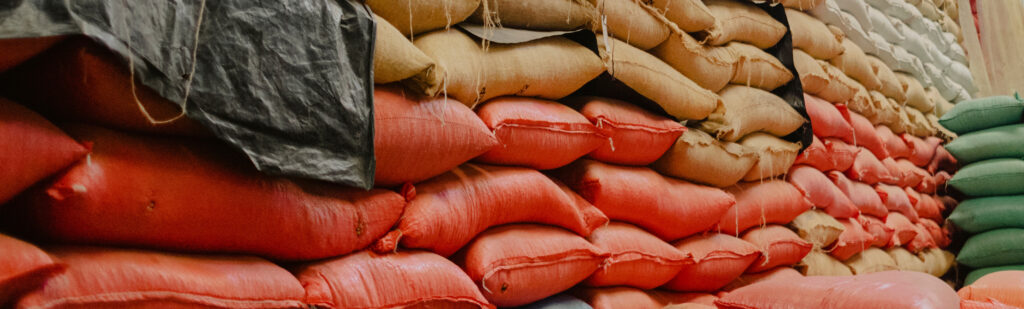
Packaging and Export Preparation
Approved beans are vacuum-sealed or packaged in protective liners within jute bags, with traceability labels applied. Conduct final moisture and quality checks to comply with international export standards.
